Grounding Standard for Round Steel Distribution Boxes
Distribution boxes made of round steel must be grounded using appropriately sized conductors, low-resistance connections, and corrosion-resistant methods to ensure safety and compliance with electrical standards.
General Grounding Principles
All metal distribution boxes, including round steel enclosures, must be grounded because they are conductive and can become energized if a fault occurs. Grounding provides a low-impedance path for fault currents, allowing protective devices like circuit breakers to trip and de-energize the box, preventing shock hazards and equipment damage . The National Electrical Code (NEC) mandates that all non-current-carrying metal parts of electrical equipment be grounded .
Ground Wire Sizing
- In the US, a 10 AWG (5.26 mm²) ground wire is typically used for distribution boxes, while in other markets, a 6 mm² wire is standard .
- For connections between the mounting plate and equipment like spindle plates, larger conductors may be required, e.g., 16 mm² or 6 AWG (13.29 mm²), to maintain low resistance over long cable runs .
- Equipment grounding conductors should be sized equal to the phase conductors for improved fault clearing and power quality .
Connection Methods
- Use threaded studs or designated grounding points on the enclosure to attach the ground wire.
- Ensure metal-to-metal contact by removing coatings or oxide layers at the connection point to reduce contact resistance .
- Flexible copper braided tape can be used to bond moving parts like doors to the main enclosure frame .
- Use anti-loosening washers or torque-controlled fasteners to maintain reliable connections over time .
- A grounding pigtail may be used to connect the box to the main grounding system, ensuring continuity even if devices are removed .
Resistance Requirements
- The total grounding resistance between all system parts should be less than 0.1 ohm for industrial applications .
- For general installations, a maximum of 25 ohms is recommended for the grounding electrode system .
- Multiple rods or conductors may be required in high-resistance soils to achieve these limits .
Material Considerations
- Match the connector material to the enclosure to prevent galvanic corrosion, especially in stainless steel or outdoor environments .
- Use copper or copper-bonded steel for buried conductors; avoid aluminum underground due to corrosion .
- Apply conductive paste at crimping points to prevent oxidation and maintain low resistance .
Best Practices
- Bond all metal enclosures, raceways, and equipment grounding conductors into a continuous system .
- Test grounding resistance after installation and periodically to ensure compliance and safety .
- Avoid shortcuts like double-tapping neutrals or using substandard materials, as these can compromise the system . By following these guidelines, round steel distribution boxes can be safely grounded, ensuring electrical safety, regulatory compliance, and long-term reliability.
 Industry
 The Basics of Grounding and Bonding
Article 250 of the NEC covers the grounding and bonding of electrical systems. By definition, as well as by function, grounding and bonding are not the same thing. However, they do work closely together
 Industry
 ARTICLE 250 GROUNDING AND BONDING
GROUNDING AND BONDING Introduction to Article 250—Grounding and Bonding ounding electrical installations. The terminology used in this article has been a source of much confusion over the years
 Industry
 GROUND GRID SPECIFICATIONS
PURPOSE AND SCOPE IPMENT, STRUCTURES, ETC. IN ELECTRICAL STATIONS INCLUDING TRANSMISSION AND DISTRIBUTION SUBSTAT GROUNDING OF NON-CURRENT CARRYING
 Industry
 Section 16450
I. Grounding in Manholes: Per “MV electric manhole neutral and bonding connections” detail drawing. See Section 26 05 43 - Underground Ducts and Raceways for Electrical Systems.
 Industry
 A Complete Guide to NEC Article 314 on Electrical Boxes and Conduit
NEC Article 314 establishes requirements for the installation and use of electrical boxes, conduit bodies, fittings, and handhole enclosures.
 Industry
 Electrical grounding and bonding per NEC
Examples of ground-fault current paths are any combination of equipment grounding conductors, metallic raceways and electrical equipment. Grounded (grounding): Connected
 Industry
 Does the Distribution Box Door Need Grounding? Safety Standards FAQ
NEC 250.148 (Grounding Conductor): Requires metallic junction boxes—and by extension, cabinet doors—to bond to ground using a designated grounding screw or clip.
 Industry
 Design Standard Grounding and Bonding for Electrical Systems
Design and specify the installation of equipment grounding such that metallic structures, enclosures, raceways, junction boxes, outlet boxes, cabinets, machine frames, portable equipment and other
 Industry
 Microsoft Word
1.5.2 Grounding Methods: Details of typical grounding arrangement for different types of distribution system installations are covered in respective clauses. Unless indicated, otherwise on relevant
 Industry
 How to Properly Ground a Metal Electrical Box
Ensure electrical safety. Learn the crucial steps for properly grounding metal electrical boxes to prevent shock hazards.
 Industry
 Requirements for the grounding length of round steel in distribution
The only legal ground rod must be installed a minimum of 8-foot in the ground. If you''re working with electrical systems, you know that grounding isn''t just some bureaucratic requirement—it''s literally the
 Industry
 SECTION 260526
Section includes grounding systems and equipment, plus the following special applications: Underground distribution grounding.
 Industry
 How To Ground Electrical Enclosure: The Complete Guide
Proper electrical enclosure grounding is a vital facet for providing safety, performance and uptime. However, it is always easy to overlook grounding aspects, or to fix them incorrectly.
 Industry
 The installation requirements for the distribution box
Learn how to install a distribution box safely and correctly. Covers wiring, placement, standards, and expert tips for a compliant setup.
 Industry
 NEC Basics: Connections and Continuity of Equipment
NEC Basics: Connections and Continuity of Equipment Grounding Conductors in Receptacles and Boxes Learn how to connect equipment
 Industry
 UNDERGROUND ELECTRIC DISTRIBUTION CONSTRUCTION STANDARDS
Any borings and sub-surface data including ground water elevations, underground utility and structural locations that may be furnished or indicated on the plans are presented only as information that is
 Industry
 Microsoft Word
This Grounding Standard describes the technical requirements for grounding the SEC Distribution Network installations. SEC Distribution System extends from the MV (33 kV, 13.8 kV) feeder outlets
 Industry
 1.An Ultimate Guide for Metal Distribution Boxes
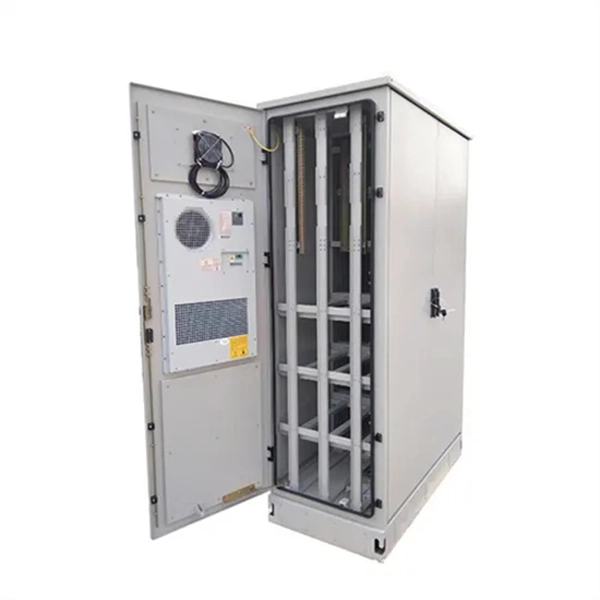
1) Metal Distribution Boxes Constructed from steel, aluminum, or cast iron, metal distribution boxes are highly durable and resistant to mechanical damage. Ideal for industrial environments where robust
 Industry
 Grounding System Installation Standards for Distribution Boxes and
Whether you''re a seasoned pro or just starting out, this comprehensive guide will give you practical insights into proper grounding techniques, with a special focus on how selecting quality
 Industry
 Microsoft Word
Test grounding resistance of all exterior steel building columns and above ground portion of underground metal water piping systems (within five feet of entrance into building) using “Fall-of
 Industry
 National grid logo and tag
National Electrical Code National Electrical Safety Code Applicable Distribution Construction Standards of the Company National Grid''s Specifications for Electrical Installations There shall be no attempt to
 Industry
 GROUNDING OF UTILITY AND INDUSTRIAL DISTRIBUTION
Essentially this workshop is broken down into system grounding, protective grounding and surge/noise protection of power and electronics systems normally found in distribution networks.
 Industry
 Understanding Grounding of Electrical Systems | NFPA
The earth itself is not considered an effective ground-fault current path, so sticking the wire in the ground is not enough. Grounding is the very foundation of a building or structure''s
 Industry
 The Complete Guide to Ground Rods in Electrical Systems
Ground rods ensure safe electrical grounding by channeling excess electricity into the earth. Learn about their design and function.
 Industry
 SDCS-03 DISTRIBUTION NETWORK GROUNDING
Every pole with MV equipment installation shall be grounded with minimum of 4 ground rods. In high soil resistivity areas, such as rocky areas, loose soil, etc.; additional number of rods or equivalent length
 Industry
 Distribution System Grounding
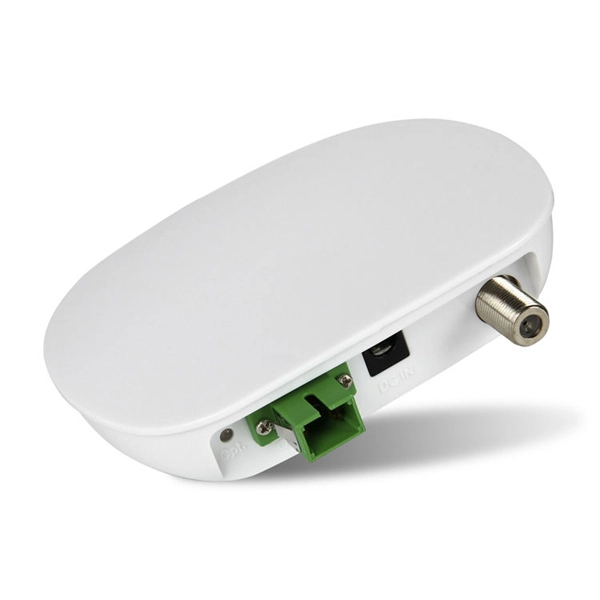
It is recommended to ground the neutral at various strategic locations in distribution substations, overhead lines and underground cables, distribution transformers, and all loads.
 Industry
 Earthing (grounding) system according to IEC, BS-EN and IEEE
In the points from 4A to 4D there are the guidelines to design earthing (grounding) systems to the particular building facilities and structures according to the standards for these facilities.
 Industry
 DISTRIBUTION BOX
Each DISTRIBUTION BOX and controller must be grounded. On the US market, a 5.26 mm 2 (10 AWG) ground wire must be used, and in all other markets a 6 mm 2 must be used.
 Industry
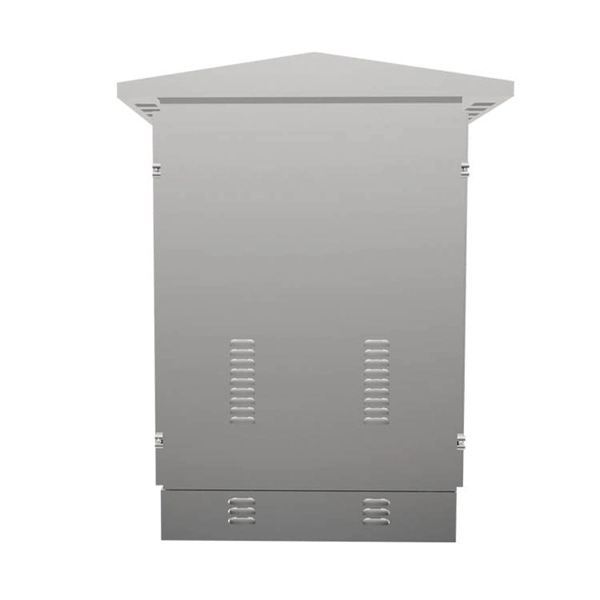
 Electrical Grounding and Earthing
What is Electrical Grounding or Earthing? Earthing, also known as Grounding, is the process of connecting electrical systems, equipment, and devices to the ground (the Earth) to ensure safety and