Aggregation Layer Core Layer Switches
Aggregation switches consolidate traffic from access switches, while core switches form the high-speed backbone connecting distribution layers and ensuring network reliability.
Aggregation Layer Switches
Aggregation switches, also known as distribution layer switches, sit between the access layer and the core layer in a hierarchical network. Their primary role is to aggregate traffic from multiple access switches and forward it to the core layer, effectively acting as a bridge between end-user devices and the network backbone . Key characteristics include:
- Layer 2 and Layer 3 support: They can perform inter-VLAN routing and basic Layer 3 functions.
- Policy enforcement: Aggregation switches handle Quality of Service (QoS), access control lists (ACLs), and traffic filtering.
- High port density: They connect multiple access switches and sometimes wireless access points.
- Redundancy and link aggregation: Support for protocols like LACP allows multiple physical links to be combined into a single logical link for higher bandwidth and failover capability.
- Deployment scenarios: Commonly used in enterprise backbones, data centers, and large campus networks to reduce bottlenecks and improve traffic flow .
Core Layer Switches
Core switches form the high-speed backbone of a network, connecting aggregation or distribution switches and facilitating rapid data transfer across the network . Their main features include:
- High throughput and low latency: Optimized for handling massive traffic volumes without delays.
- Layer 3 functionality: Primarily operate at Layer 3 with advanced routing capabilities, though some Layer 2 aggregation features may be included.
- Fault tolerance and high availability: Designed to maintain network stability even under heavy load or hardware failure.
- Scalability: Core switches support modular expansion to accommodate growing network demands.
- Deployment scenarios: Used in enterprise networks, data centers, and campus networks as the central backbone connecting multiple distribution layers .
Key Differences
| Feature | Aggregation Switch | Core Switch |
|---|---|---|
| Position in network | Between access and core layers | Top layer, connecting distribution/aggregation layers |
| Primary function | Aggregate traffic, enforce policies | High-speed backbone, interconnect distribution layers |
| Layer support | Layer 2 and some Layer 3 | Primarily Layer 3, advanced Layer 2 for speed |
| Port density | Medium to high | High, optimized for backbone connectivity |
| Redundancy | Supports link aggregation and failover | High fault tolerance, non-blocking architecture |
| Typical use | Enterprise backbones, campus networks | Central backbone, data centers, large-scale networks |
Summary
In a hierarchical network, aggregation switches consolidate and manage traffic from access switches, providing policy enforcement and inter-VLAN routing, while core switches form the backbone, ensuring high-speed, reliable connectivity between distribution layers. Together, they enable scalable, high-performance, and fault-tolerant network architectures .
 Industry
 SMB Switch: Access Switch vs Aggregation Switch vs Core Switch
The aggregation switch is used to aggregate the access switch. The core switch is used to aggregate the aggregation
 Industry
 Data Center Multi-Tier Model Design
Data Center Core Layer The data center core layer provides a fabric for high-speed packet switching between multiple aggregation
 Industry
 Access vs. Distribution vs. Core Switch Comparison Guide
Distribution Layer Switches: Positioned between the access and core layers, distribution switches aggregate traffic from multiple
 Industry
 What is an Aggregation Switch?
The aggregation switch is located in the middle of the network architecture, which is
 Industry
 3-Layer Enterprise Switching Architecture: Core vs Access
Explore enterprise switching architecture and see how core, aggregation, and access layers integrate with
 Industry
 Two-tier and three-tier switch architectures
Core-layer switches make up the top layer or core of the network. The aggregation or distribution switches are the intermediary layer
 Industry
 LAN Topologies
Layer 3 services for wired network hosts are moved from the core to VSX pairs of aggregation switches. A pair of core
 Industry
 SMB Network Design: Core vs. Distribution vs. Access Switches
Core Layer: The high-speed backbone, often connecting multiple distribution switches. Distribution Layer: The middle
 Industry
 Data Center Multi-tier Model Overview
Core layer—Provides the high-speed packet switching backplane for all flows going in and out of the data center. The core layer
 Industry
 What Is an Aggregation Switch and How to Choose?
Discover the role of aggregation switches. Explore differences between aggregation,
 Industry
 Build Your Skills: The three-layer hierarchical model
The most important consideration at the Core layer is speed, because devices at the Core layer must perform
 Industry
 Core Switch vs. Distribution Switch vs. Access Switch
There are different types of enterprise switches that perform various roles in these layer-based or hierarchical ethernet networks.
 Industry
 What is Switch Aggregation, Its Role and Selection Advice
4. Functional management: Unlike core switches, aggregation switches can be either Layer 2 or Layer 3 switches.
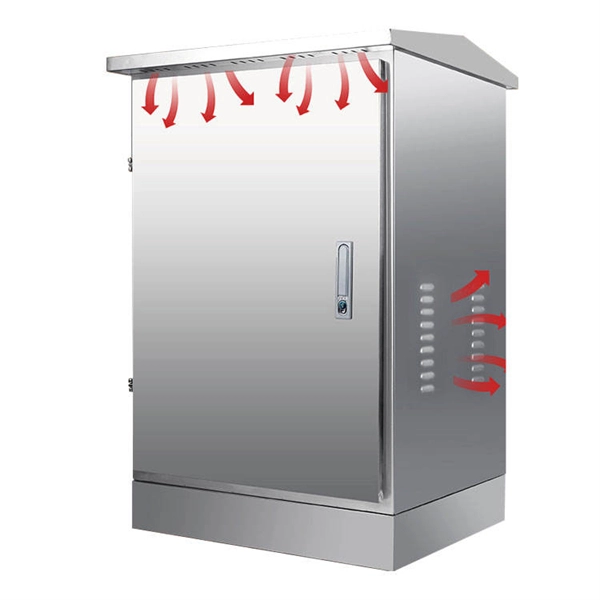 Industry
 Three-Layer Model
This article explains the three-layer model, which it can help you design, implement, and maintain a scalable, reliable, and cost
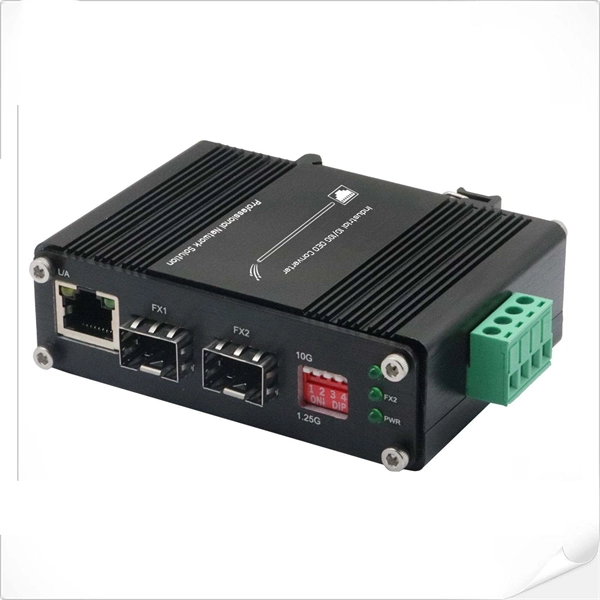 Industry
 Access, Distribution, and Core Layers Explained
This tutorial provides an overview of the access, distribution, and core layers and explains two-tier and three-tier
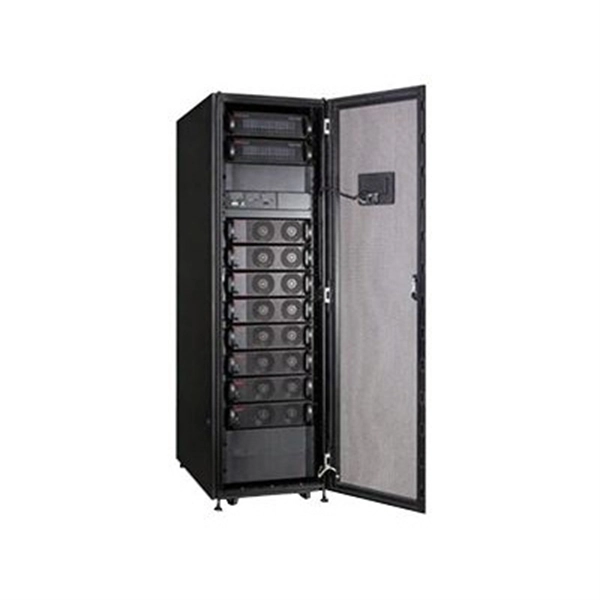 Industry
 Datacenter Core and Aggregation Design
This design employs a pair of redundant Cisco Nexus 7010 switches on the aggregation
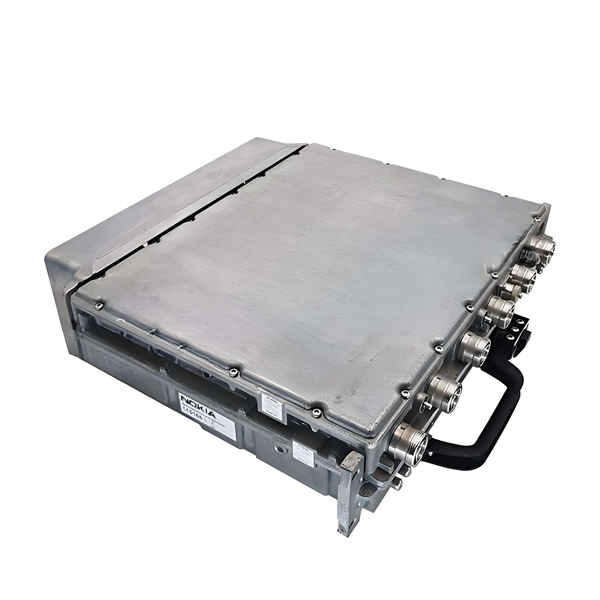 Industry
 Understanding Core Switch: What It Is and How to Choose the Right
A core switch is not merely a type of switch but rather denotes the switch that operates at the core layer (the network''s
 Industry
 Data Center Multi-Tier Model Design
The data center core layer provides a fabric for high-speed packet switching between
 Industry
 What is a Core Switch | Functions and Difference over Normal Switch
What is a core switch and how it works? This article builds the basics of this kind of switch for the ones who don''t
 Industry
 What is Three-Tier Architecture in Switch Networking?
The core layer switches ensure the smooth operation of the entire network through high-speed and high-performance
 Industry
 Access vs. Distribution vs. Core Switch Comparison Guide
Each layer is served by specialized switches, with the access switch connecting end-user devices, the distribution switch aggregating
 Industry
 The Features and Differences Between Core Switches and
Before get to know the differences between the aggregation switches and core switches, you should know the definition of the
 Industry
 Core, Aggregation, or Access Switches? Choose the
Discover the crucial differences between core, aggregation, and access switches. Find out