Fibre Channel storage devices
Fibre Channel storage devices are high-speed storage systems connected to servers via Fibre Channel networks, enabling fast, reliable, and scalable data transfer in storage area networks (SANs).
Overview of Fibre Channel
Fibre Channel (FC) is a high-speed network protocol designed specifically for connecting servers to storage devices in Storage Area Networks (SANs). It provides lossless, in-order delivery of block data and supports data rates from 1 Gbps up to 128 Gbps, depending on the technology generation . Unlike general-purpose networks like Ethernet, Fibre Channel is optimized for predictable performance, low latency, and high reliability, making it ideal for enterprise storage environments .
How Fibre Channel Works
Fibre Channel networks use optical fiber or copper cabling to connect devices through a switched fabric topology, where switches route data between servers and storage devices efficiently . Each device in the network is a node with one or more ports:
- N_Port (Node Port): Found on servers or storage devices to connect to the fabric.
- F_Port (Fabric Port): Located on switches to connect N_Ports.
- E_Port (Expansion Port): Connects switches to expand the fabric . Data is transmitted using the Fibre Channel Protocol (FCP), which encapsulates SCSI commands for reliable block-level storage communication . This allows storage devices to appear as if they are directly attached to servers, even over long distances.
Types of Fibre Channel Storage Devices
Fibre Channel networks can connect a variety of storage hardware, including:
- Storage arrays: Disk-based or flash-based systems that provide high-capacity, high-performance storage.
- Tape libraries: Automated backup and archival systems.
- Backup devices: Dedicated appliances for data protection and recovery . These devices benefit from high throughput, low latency, and fault tolerance, with features like redundant paths, error detection, and data integrity checks .
Benefits of Fibre Channel Storage
- High Performance: Supports large-scale data transfers with minimal latency.
- Reliability: Built-in error correction and redundant paths ensure continuous operation.
- Scalability: Can support hundreds or thousands of devices in enterprise SANs.
- Flexibility: Supports multiple topologies, including point-to-point, arbitrated loop, and switched fabric . Fibre Channel storage devices are essential for mission-critical applications, such as databases, virtualization, and large-scale enterprise storage, where speed, reliability, and uptime are crucial.
 Industry
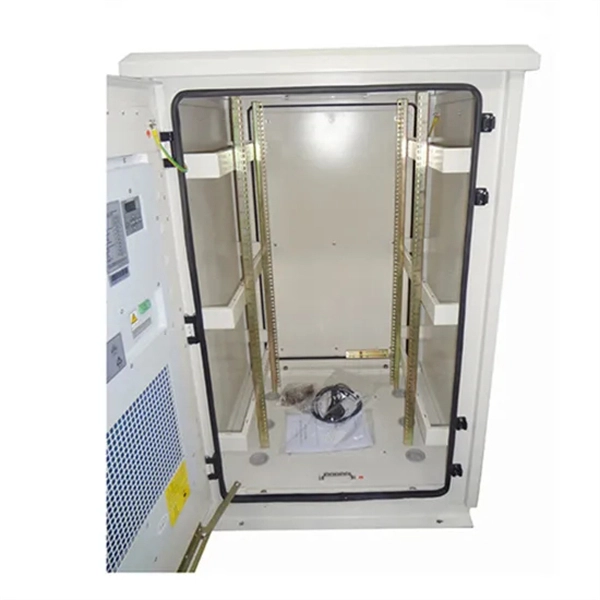
 Fibre Channel storage
While Fibre Channel is a well-established storage platform, don''t be afraid to try iSCSI or NAS devices as more affordable
 Industry
 Fibre Channel
OverviewHistoryEtymologyCharacteristicsTopologiesLayersPortsMedia and modules
Fibre Channel is standardized in the T11 Technical Committee of the International Committee for Information Technology Standards (INCITS), an American National Standards Institute (ANSI)-accredited standards committee. Fibre Channel started in 1988, with ANSI standard approval in 1994, to merge the benefits of multiple physical layer implementations including SCSI, HIPPI and ESCON. Fibre Channel was designed as a serial interface to overcome limitations of the SCSI and HIPPI physic
 Industry
 Fibre Channel Tutorial – The Basics
The Fibre Channel Industry Association (FCIA) created the “Trusted Foundation,” an initiative designed to raise
 Industry
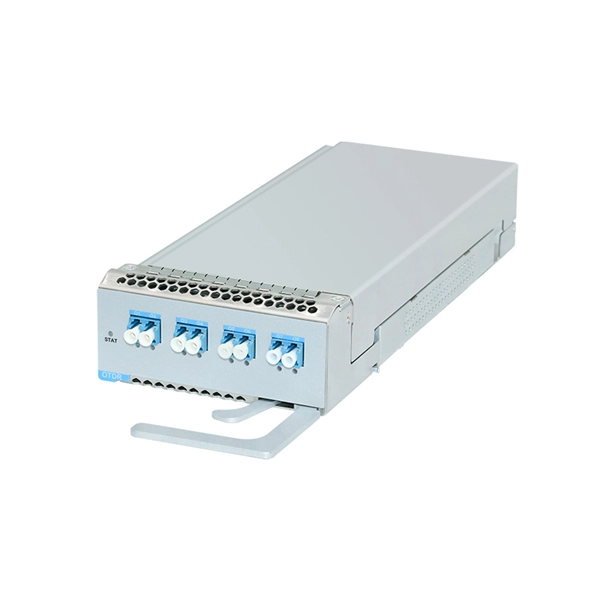
 Fibre Channel Transceivers: Speed, Reliability & SAN Solutions
Explore Fibre Channel transceivers for high-performance SANs. Learn their key features, specifications, and
 Industry
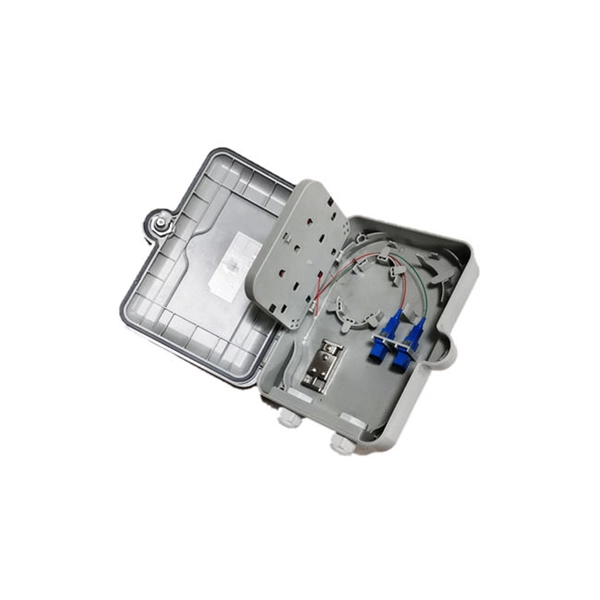
 Fundamentals of Fibre Channel
Fibre Channel is a high-speed network technology used to connect server to data storage
 Industry
 Fibre Channel vs. iSCSI: What are the differences?
Find out the Fibre Channel vs. iSCSI technologies that meet your performance, ease of use, manageability, total
 Industry
 Fiber Channel SFP: A Complete Guide for Storage Networks
Learn what a Fiber Channel SFP is, how it works, common FC SFP types, speeds, and how to choose the right one for SAN and
 Industry
 What is Fibre Channel? History, layers, components
Fibre Channel offers point-to-point, switched and loop interfaces to deliver lossless, in-order,
 Industry
 Fibre Channel Features (An Industry Standard)
As the capacity and performance of storage devices like NVMe continue to surge, Fibre Channel SAN fabric enables line-rate
 Industry
 Comparing 7 storage network protocols
Comparing 7 storage network protocols Compare characteristics of common storage protocols, such as iSCSI, Fibre
 Industry
 Fibre Channel: The #1 Choice for Mission-Critical Shared-Storage
For storage connectivity and when using Fibre Channel, there are no tradeoffs for security, reliability, performance, and
 Industry
 Fibre Channel Industry Association
Fibre Channel has a laser-focus on speed and continues to progress at a blistering pace. Fibre Channel is continually evolving to
 Industry
 What is Fibre Channel? | SNIA | Experts on Data
What is Fibre Channel? Fibre Channel is a high-speed data transfer technology that is designed to connect general purpose
 Industry
 Back to Basics: Overview of Fibre Channel Protocol
Highlighting the Importance of Fibre Channel in Data Storage Fibre Channel Protocol plays a crucial role in
 Industry
 Chapter 10. Using Fibre Channel devices | Managing storage devices
Typically, the Fibre Channel class does not alter the device, for example, /dev/sda remains /dev/sda. This is because the target
 Industry
 Fibre Channel Products Information
Fibre channel products enable storage area network designers to mix and match compatible devices from many vendors to
 Industry
 Fibre Channel 101 – Fibre Channel Industry Association
Fibre Channel (FC) is the storage networking protocol for enterprise data centers, with over 11 Million ports deployed.
 Industry
 What is Fibre Channel over Ethernet (FCoE)? How it works, benefits
Fibre Channel protocol supports high-speed data connections among computing devices that interconnect servers
 Industry
 FIBRE CHANNEL
For faster storage, new flash-based storage arrays have significantly improved access times. For faster applications, a faster
 Industry
 MDS 9124V 64-Gbps 24-Port Fibre Channel Switch Data Sheet
Cisco MDS 9124V 64-Gbps 24-Port Fibre Channel switch brings the latest high-performance, low-latency Fibre Channel
 Industry
 Fibre Channel
What is Fibre Channel? FC (Fibre Channel) is a network technology, predominantly used within storage area networks,
 Industry
 Chapter 8. Using Fibre Channel devices | Managing storage devices
Configure Fibre Channel devices for high-speed SAN connectivity using native RHEL drivers including lpfc, qla2xxx, and zfcp.
 Industry
 Overview of Fibre Channel | Junos OS | Juniper Networks
FC components include initiators, targets, and FC-capable switches that interconnect FC devices and may also interconnect FC
 Industry
 Chapter 14. Configuring Fibre Channel over Ethernet
Fibre Channel over Ethernet (FCoE), defined by IEEE T11 FC‑BB‑5, encapsulates Fibre Channel frames over Ethernet. It enables
 Industry
 Fibre Channel: The High-Speed Backbone of Your Data
This article dives into what makes Fibre Channel a persistent leader in storage area
 Industry
 Fibre Channel Use Cases and Limits | simplyblock
Each device—typically a server or storage array—requires an HBA to interface with the Fibre Channel fabric. Fibre Channel carries