What is a core switching aggregation switch
Core switches form the backbone of a network, providing high-speed, high-reliability routing, while aggregation switches consolidate traffic from access switches and optimize data flow to the core.
Core Switches
Core switches operate at the backbone or core layer of a network, handling the bulk of data traffic between aggregation switches and other network segments. They are typically Layer 3 switches with high bandwidth, low latency, and advanced routing capabilities, ensuring fast and reliable data forwarding across the network . Key characteristics include:
- High throughput and port density to manage large volumes of traffic.
- Redundancy and fault tolerance, including multiple power supplies and routing protocols like HSRP or VRRP.
- Support for VLANs and QoS, enabling traffic prioritization for voice, video, and critical applications.
- Scalability, allowing multiple core switches to work together to prevent congestion and maintain network performance . Core switches are essential in networks with over 100 devices or in data centers where high-speed connectivity and reliability are critical .
Aggregation Switches
Aggregation switches, also known as distribution switches, sit between the access layer and the core layer. Their primary role is to collect traffic from multiple access switches and forward it efficiently to the core layer . They often operate at Layer 2 or Layer 3, depending on network requirements, and provide features such as:
- Link aggregation (LACP or static) to combine multiple physical links into a single logical connection, increasing bandwidth and redundancy.
- Traffic filtering, QoS, and load balancing to optimize network performance.
- VLAN support and network segmentation for security and traffic management.
- Multicast and broadcast control to reduce unnecessary traffic on the network . Aggregation switches are widely used in enterprise backbones, large campus networks, and data centers, where they serve as a bridge between access switches and core switches, improving scalability and stability .
Key Differences
| Feature | Core Switch | Aggregation Switch |
|---|---|---|
| Layer | Layer 3 (backbone) | Layer 2/3 (distribution) |
| Function | Routes and switches high-volume traffic across the network | Consolidates traffic from access switches and forwards to core |
| Bandwidth | Very high | Medium to high |
| Redundancy | Critical, high availability | Moderate, supports link aggregation |
| Deployment | Network backbone, data centers | Between access and core layers, enterprise backbones |
| Scalability | Supports large-scale networks | Aggregates multiple access switches for efficient flow |
Deployment Considerations
- Hierarchical design: Use a three-layer model (access, aggregation, core) for scalability and performance .
- Redundancy: Implement redundant core switches and link aggregation to prevent single points of failure.
- Traffic management: Configure QoS and VLANs to prioritize critical traffic and segment the network.
- Capacity planning: Ensure aggregation switches can handle the combined traffic from all connected access switches without bottlenecks . By combining core and aggregation switches in a layered architecture, networks achieve high performance, reliability, and scalability, supporting modern enterprise and data center requirements.
 Industry
 Core Switch vs. Distribution Switch vs. Access Switch
A core switch is the primary switch installed at the backbone of a layered or hierarchical network. These data switches are
 Industry
 What Is a Core Switch? Network Backbone Architecture Guide
A core switch is a high-capacity, high-performance Layer 3 switch positioned at the physical backbone of an
 Industry
 Understanding Switch Aggregation: A Comprehensive Guide
Ascentoptics: Everything You Need to Know About Aggregation Switch: This comprehensive guide covers everything
 Industry
 Core Switch
Core switches are defined as high-capacity switches located at the top of a cloud data center network, connecting aggregation
 Industry
 Understanding Switch Aggregation: A Comprehensive
A: An access switch is typically located at the edge of the network and connects end-user
 Industry
 What Is an Aggregation Switch?
An aggregation switch sits between access layer switches and the core network, acting as an intermediary. It collects
 Industry
 Switching Vs Mirroring Vs Aggregate at Thomas Lujan blog
Switching Vs Mirroring Vs Aggregate. Learn what switch aggregation is, why it is important for network architecture, and how to
 Industry
 Understanding Core Switch: What It Is and How to Choose the
The core switch plays a pivotal role in managing substantial network traffic, necessitating a forwarding rate that typically
 Industry
 Data Center Multi-Tier Model Design
The recommended platform for the enterprise data center core layer is the Cisco Catalyst 6509 with the Sup720
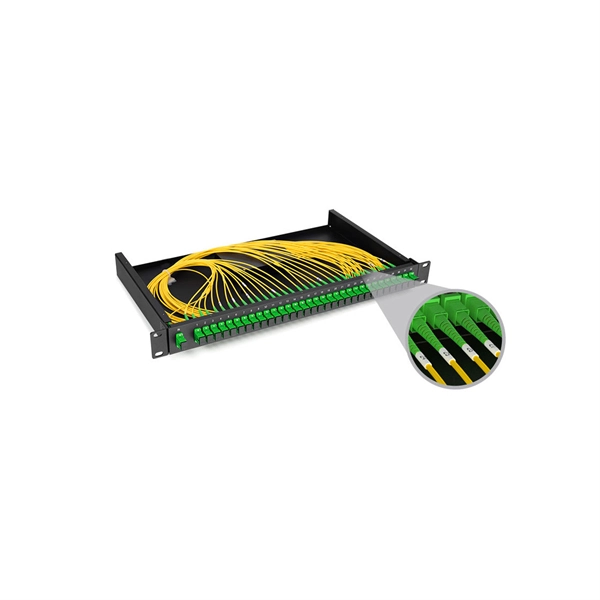 Industry
 Core Switch Vs Aggregation Switch: What Is The Difference?
There are no fixed requirements for core switches or aggregation switches. It depends on the size of the network
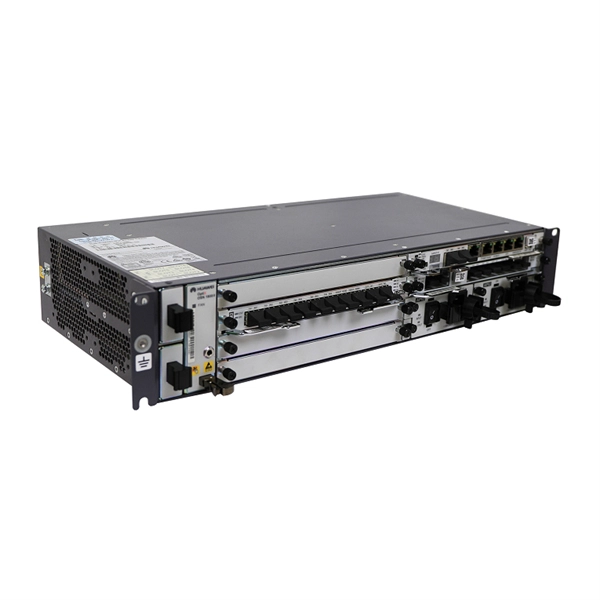 Industry
 What Is an Aggregation Switch and How to Choose?
While they share some routing and forwarding capabilities with core switches, aggregation switches are typically
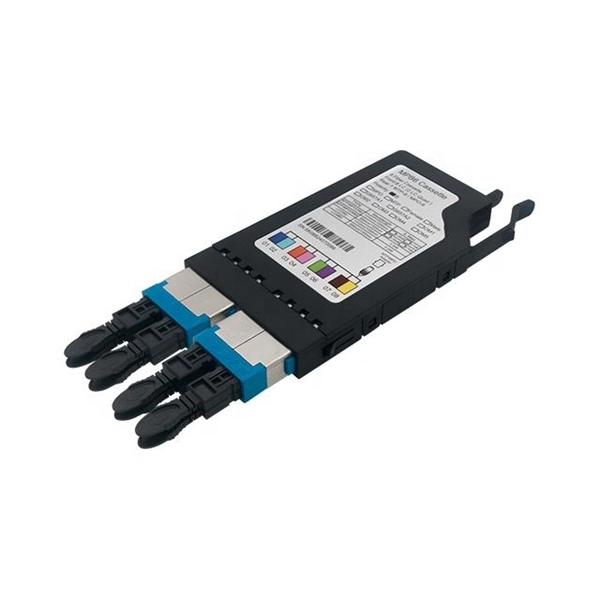 Industry
 Everything You Need to Know About Aggregation Switch
Aggregation switches are the logical choice for a core switch in enterprise networks. They provide high-speed
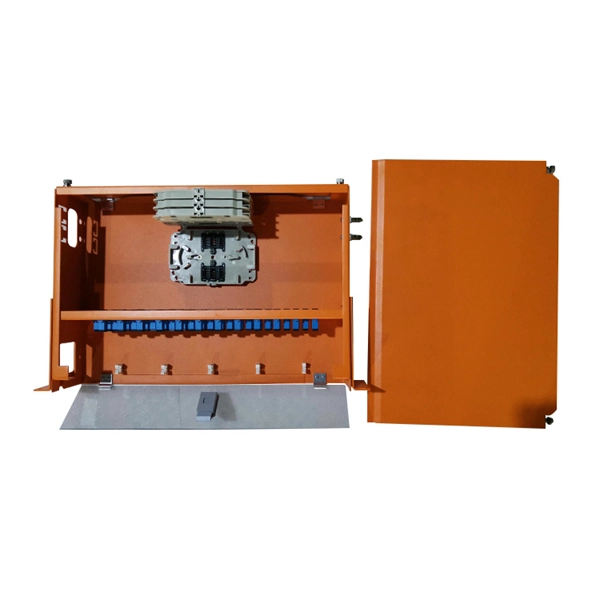 Industry
 What is Switch Aggregation, Its Role and Selection Advice
4. Functional management: Unlike core switches, aggregation switches can be either Layer 2 or Layer 3 switches.
 Industry
 What is an Aggregate Switch?
What is the difference between an aggregate switch and a core switch? An aggregate switch consolidates traffic from
 Industry
 Aggregation Switch vs Core Switch: Choose the Best 10G Switch
A core switch does not refer to a specific type of switch but rather to a switch deployed at the "core layer," which
 Industry
 What Is a Core Switch in Networking?
A core switch operates at the italic core layer italic of a hierarchical network design, typically handling a massive
 Industry
 The Features and Differences Between Core Switches and
The biggest difference between core switch and aggregation switches is that, core switch is required to always be fast, highly
 Industry
 What is an Aggregation Switch?
The aggregation switch is located in the middle of the network architecture, which is equivalent to a middle-level
 Industry
 Aggregation Switches
Aggregation switches consolidate data traffic from multiple network access switches into a single high-bandwidth link
 Industry
 Understanding Core Switch: What It Is and How to Choose the Right
A core switch is not merely a type of switch but rather denotes the switch that operates at the core layer (the network''s
 Industry
 Understanding Core Switch: What It Is and How to Choose the
In the realm of system networking, three key types of switches are frequently mentioned: access switches, aggregation
 Industry
 Core vs Aggregation vs Access Switches | Network Design Guide
Compare core, aggregation and access switches. Learn their roles, port speeds, PoE, Layer 3 routing, redundancy,
 Industry
 Core, Aggregation, or Access Switches? Choose the Perfect Fits
Discover the crucial differences between core, aggregation, and access switches. Find out which type can best
 Industry
 What Is a Core Switch?
A core switch is the backbone of a large-scale network, designed to handle massive volumes of traffic with ultra-low latency and
 Industry
 What is a Core Switch | Functions and Difference over Normal Switch
The core-type layer is made up of multiple core switches that operate at high speeds. Network aggregation switches,
 Industry
 What Is a Core Switch? Network Backbone Architecture Guide
In a large enterprise, the core switch aggregates data from multiple distribution switches and routes it rapidly across
 Industry
 Understanding the Different Layers of Routing and Switching
The advantage of a core switch is backplane switching — the ability to pass traffic across the core without 1Gbps or even 10Gbps