Techniques for disconnecting wires from a distribution box
To safely disconnect wires from a distribution or disconnect box, first de-energize the circuit, verify absence of voltage, and then carefully disconnect and label each wire.
Step 1: De-energize the Circuit
Before touching any wires, turn off the corresponding circuit breaker at the main service panel to cut power to the disconnect box . For added safety, implement a Lockout/Tagout (LOTO) procedure by securing the breaker in the “off” position with a lock and tag to prevent accidental re-energization .
Step 2: Verify Absence of Voltage
Use a non-contact voltage tester (NCVT) for an initial check, followed by a digital multimeter to confirm that no voltage is present on the incoming wires. Perform a “live-dead-live” test: first test the multimeter on a known live source, then check the disconnect box, and finally re-test the multimeter on the live source to ensure accuracy . Always wear personal protective equipment (PPE), including safety glasses and insulated gloves, during this step.
Step 3: Identify and Label Wires
Inside the disconnect box, distinguish line-side wires (incoming power) from load-side wires (going to the appliance). Clearly label each wire to indicate its origin and destination, which is crucial for future reconnection or troubleshooting . For unused or old wires, cap each end with a wire nut and label them as “disconnected” or “dead” to prevent confusion .
Step 4: Disconnect the Wires
Loosen the terminal screws using insulated tools and carefully remove the wires from their terminals. For fused disconnects, ensure the fuse holders are de-energized before handling. For non-fused disconnects, remove the hot conductors from the line and load terminals, typically labeled L1/L2 and T1/T2 . Maintain proper orientation to avoid mixing line and load connections.
Step 5: Terminate or Remove Unused Wires
If wires are no longer needed, either cap and leave them in the box or, if accessible, remove the entire cable from the wall or ceiling. Avoid leaving wires hidden in walls without proper termination, as this can create future hazards . Keep all junction boxes accessible for safety and code compliance.
Step 6: Final Safety Check
After disconnecting, double-check that all wires are properly capped, labeled, and secured. Ensure the disconnect box cover is replaced and that no exposed conductors remain. This ensures the circuit is safely isolated and ready for maintenance or future use . By following these steps, you can safely disconnect wires from a distribution or disconnect box while minimizing the risk of electrical shock or accidental re-energization.
 Industry
 Distribution Box Wiring Steps
Wiring and Binding Wiring Direction: Wiring between the main circuit breaker and each branch circuit breaker in the box generally goes on the left,
 Industry
 How to Wire a Home Distribution Box
The above mentioned electrical wiring accessories and protective devices are used to control and distribute electric supply (safely to connected electrical appliances) around your home.
 Industry
 How to Wire a Home Distribution Box
Welcome to our channel! In this video, we''ll walk you through the process of wiring a home distribution box with a detailed connection diagram. Whether you''re an electrician or a DIY enthusiast
 Industry
 How to Install a Cable Distribution Box Safely and Correctly?
In modern electrical systems, cable distribution boxes (also known as electrical distribution boxes or distribution boxes) play a crucial role as the key hub for managing, distributing,
 Industry
 Organizing a Panel Box
Organizing a Panel Box To create an orderly panel, plan where everything will go and then methodically execute that plan.
 Industry
 How to wire a DB – Distribution Board Wiring – Mechatrofice
Through the MCB phase lines are distributed to electrical wiring for lighting, fixed devices, and power distribution points. This type of arrangement is the commonly used method of distribution
 Industry
 How to Cut, Strip & Join Electrical Wire
Never work on active electrical wiring without turning off the electrical power first! See How to Turn Off Your Home''s Electricity. How to Cut & Strip Electrical Wire A wide variety of tools is
 Industry
 What is the proper way to terminate unused electrical wires?
In any major renovation where walls and ceilings are significantly open you should strive to remove as much disused wiring as possible from the cavities and to correct (by terminating in
 Industry
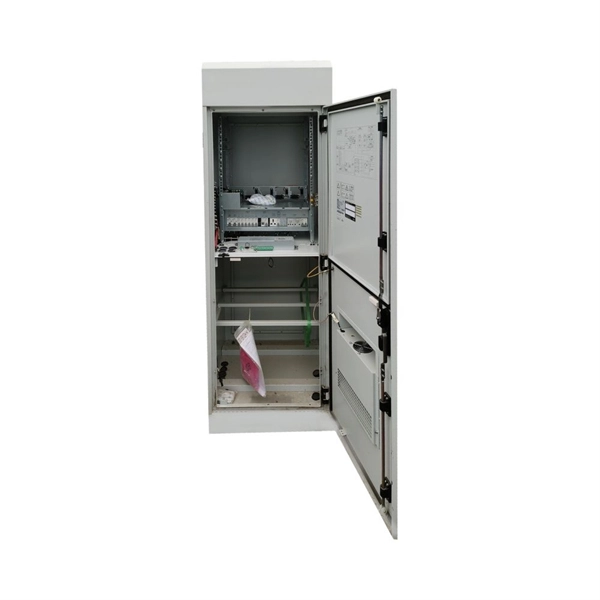
 How to Connect a Distribution Box
Learn how to connect a distribution box with this easy-to-follow, step-by-step guide. From tools and materials needed to common installation mistakes and solutions, this comprehensive article will
 Industry
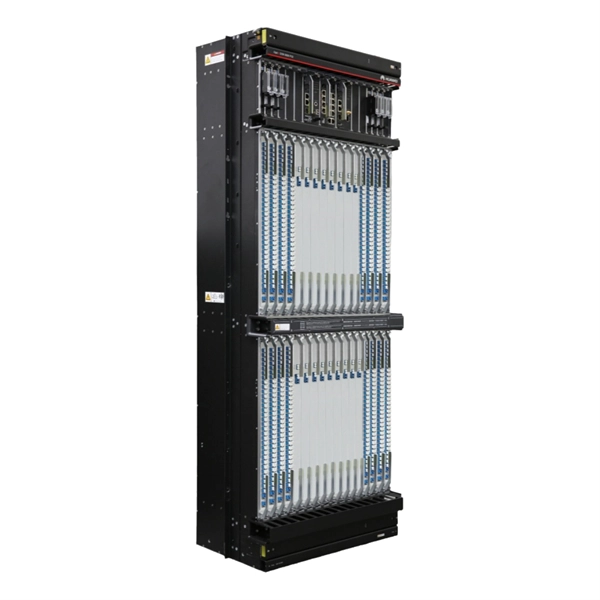
 How To Disconnect Electrical Wiring From Breaker Box Service Panel
If you need to remove a bunch of wiring from your home and you do not want to pay a fortune having someone else do it, research what you are doing thoroughly and then do the task safely....
 Industry
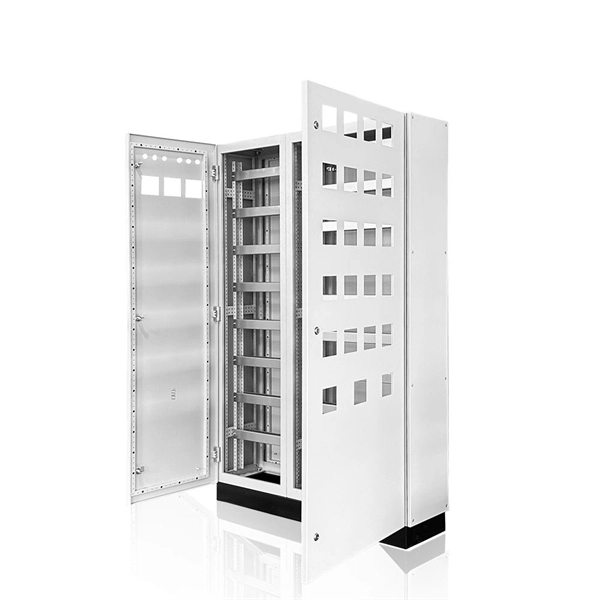
 How can I remove a receptacle and abandon the electrical outlet?
You simply need to convert the outlet into a junction box: Flip the circuit breaker off Unscrew the hots, neutrals, and ground from the outlet and remove the outlet Splice the hot, neutral, and ground from
 Industry
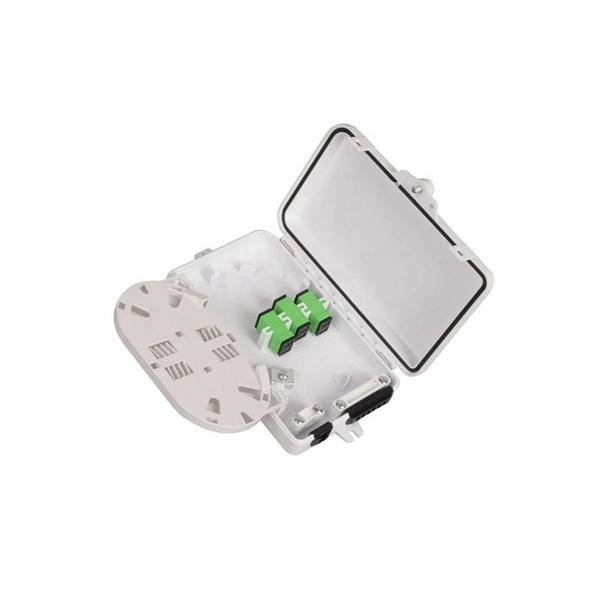
 Distribution Box Installation: A Complete Guide to Safe and Efficient
The distribution box, often referred to as a breaker box, fuse box, or electrical panel, is a critical component of any electrical system. It acts as the central hub for distributing electricity from the main
 Industry
 How to Properly Terminate Unused Electrical Wires
Learn how to terminate unused electrical wires safely and effectively with this step-by-step guide. We''ll cover everything from identifying the right type of wire termination to the best methods for completing
 Industry
 How to Safely Disconnect Wiring From an Electrical Disconnect
Follow expert safety preparation and step-by-step procedures to safely disconnect and reconnect electrical wiring systems.
 Industry
 How to Safely Remove Wires From an Outlet
Before disconnecting any wires, it is a good practice to photograph the existing configuration to aid in reassembly, noting which wire color connects to which terminal screw or port.
 Industry
 Electric Panel Installation Method Statement | PDF
METHOD STATEMENT FOR Electric panel and distribution box installation and termination - Free download as PDF File (.pdf), Text File (.txt) or read online for free. This document provides a method
 Industry
 What to Do With Unused Live Electrical Wires
The process requires safely disconnecting the wire at its source, either at the circuit breaker terminal in the panel or from the last working junction box on the circuit. After disconnection,
 Industry
 Electrical Meter Base & Main Disconnect
In this video, we''re going over a wiring diagram for a electrical meter base, main disconnect, and different service entrances for a single family dwelling u...
 Industry
 Remove unused wires from circuit breaker panel
If nothing else is using it as a ground, then feel free to detach and cap off both ends of the ground wire. In the panel, wrap it with tape (preferably green) so it''s not at risk for hitting anything
 Industry
 Disconnecting and removing not needed cable to electrical outlets
How to disconnect and remove not needed cable to other electrical outlets from a 4” square junction box. What to do with an open junction box knockout.
 Industry
 How To Remove Electrical Wires
The electrical supply in your house is carried from room to room by electrical wires, in much the same way that pipes carry water. Electricity enters your house through a central circuit
 Industry
 electrical
I have a ceiling junction box in my garage that has four armored cables coming into it. I want to remove one of the cables as I''m not using it. I don''t have access to the back side of the box,
 Industry
 How to Terminate Electrical Wires | 3 Effective Methods (2026)
This article dives into the basic techniques suited for residential applications, emphasizing the importance of precision and adherence to safety standards in wire termination.
 Industry
 Step-by-Step Guide: Wiring a Service Disconnect for a
Learn how to correctly wire a service disconnect to ensure your electrical system is safe and meets code requirements. Follow step-by-step instructions to
 Industry
 How to Properly Strip and Terminate Different Wire Types
A foundational guide on the proper techniques for stripping and terminating common electrical wires, including solid and stranded copper and aluminum.
 Industry
 Dismantling Method Statement for Utilities
It outlines 7 steps for execution including conducting safety briefings, inspecting the work area, tagging disconnected lines, using proper PPE and tools, barricading the work area, and housekeeping after