Port Mirroring Splitter Principle
Port mirroring works by duplicating network traffic from a source port to a designated destination port, allowing monitoring without interrupting normal network flow.
Principle of Port Mirroring
Port mirroring, also known as SPAN (Switched Port Analyzer) in Cisco terminology, is a method used to copy packets from one or more source ports to a destination port for analysis or monitoring without affecting the original traffic flow . The switch or router is configured to replicate the traffic, effectively acting as a software-based splitter. Unlike a physical network TAP, which passively splits signals at the hardware level, port mirroring relies on the device's internal logic to duplicate packets .
How It Works
- Source Port Selection: The administrator selects one or more ports whose traffic needs to be monitored. This can include ingress (incoming) traffic, egress (outgoing) traffic, or both .
- Destination Port Assignment: A specific port is designated as the monitoring port. All mirrored traffic is sent to this port, where a monitoring device or packet analyzer (e.g., Wireshark) can capture and analyze it .
- Traffic Duplication: The switch internally duplicates the packets from the source port(s) and forwards the copies to the destination port. The original traffic continues to its intended destination without interruption .
- Filtering Options: Many switches allow selective mirroring, such as filtering by VLAN, MAC address, or IP address, so only relevant traffic is copied .
Comparison to Physical Splitters (TAPs)
- Port Mirroring: Software-based, uses switch/router capabilities, may drop packets under high load, and requires configuration.
- Network TAP: Hardware-based, passive optical or electrical splitter, provides a complete and accurate copy of all traffic, including errors and malformed frames, without relying on device processing .
Applications
Port mirroring is widely used for network troubleshooting, performance monitoring, and security analysis. It allows administrators to inspect traffic in real-time, detect bottlenecks, or identify malicious activity without disrupting normal network operations .
In essence, the port mirroring splitter principle is about creating a logical copy of network traffic within a switch or router, directing it to a monitoring port, and enabling analysis while maintaining uninterrupted service for the original data flow.
 Industry
 Understanding Port Mirroring: Enhancing Network Visibility and
By understanding the principles and applications of port mirroring, organizations can better optimize their network
 Industry
 What Is Mirroring? How Does Port Mirroring Work?
What Is Mirroring? Mirroring allows packets from a specified source to be copied to a destination port without affecting
 Industry
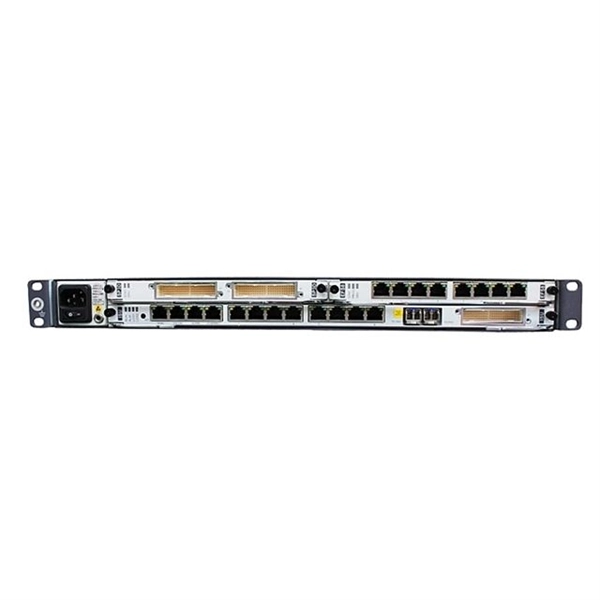
 Network Switch Port Mirroring vs. Network TAP
Network switch port mirroring, however, can have a negative performance impact on the switch itself, sometimes
 Industry
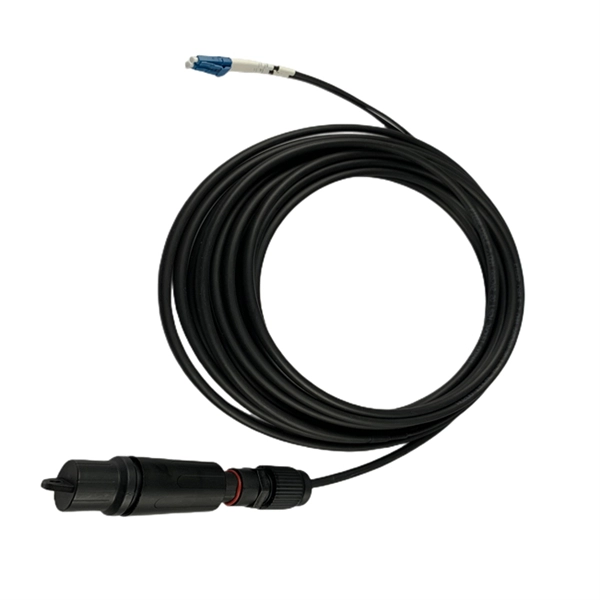
 Introduction to Passive Optical Network Splitter Architectures
A fiber broadband provider typically determines and overall split ratio for the network, such as 1x32 or 1x64, and uses combinations
 Industry
 Understanding Port Mirroring
The port mirroring feature can provide the configuration required by this application. Netvisor ONE supports three distinct port
 Industry
 Beam splitter
Beam splitters A beam splitter or beamsplitter is an optical device that splits a beam of light into a
 Industry
 Port Mirroring Explained: How Network Traffic Analysis Works
Port mirroring sends duplicate packets from switch ports to local or remote analyzers, helping network admins monitor, debug, and
 Industry
 Principle of port mirroring. | Download Scientific Diagram
The port used for output of the duplicated traffic is usually called mirror port or SPAN port (Switched Port Analyzer). Figure 2 shows
 Industry
 Optical Splitters: Split Ratios, Splitting Architectures & PON Network
Learn about optical splitter split ratios (1:N, 2:N), centralized vs. cascaded architectures, and how to choose the right
 Industry
 Solved: port mirroring with ethernet splitter? | Experts Exchange
I have cisco ASA5510 which does not have port mirroring cabability, the 5505''s do. I wish to attach a sniffing device for
 Industry
 Beam splitter
A very thin half-silvered mirror used in photography is often called a pellicle mirror. To reduce loss of light
 Industry
 What''s Port Mirroring and Its Functions?
What is the definition of port mirroring? How does port mirroring functions? What are the features and limitations of port
 Industry
 Switch Port Mirroring Explained: What is Mirror Port in Switch?
Learn what mirror port in switch means and how ethernet switch port mirroring works. Explore types of port mirroring,
 Industry
 Network Tap vs Port Mirroring | Corning
A network tap uses passive optical splitting to transmit inline traffic to an attached monitoring device without data stream interference.
 Industry
 What Is an Optical Network TAP and How Does It Work?
Learn what an optical network TAP is, how light splitting works, which TAP types suit your fiber links, and why TAPs outperform
 Industry
 011258_930678F_2-Port_PoE_Gigabit_Port_Mirroring_Switch
The CyberData 2-Port PoE Gigabit Port Mirroring Switch enables users of a network attached device to split a single 802.3af or
 Industry
 SN75DP128A: Split one port into two screens and display a mirror
There are two methods I''m currently considering. 1. Split with a splitter IC. 2. Use two ICs such as a Redriver or
 Industry
 How to Run Dual Monitors With One HDMI Port
The short version: a basic HDMI splitter can mirror one screen to two monitors, but it cannot create two independent desktops. For
 Industry
 What Is Port Mirroring?
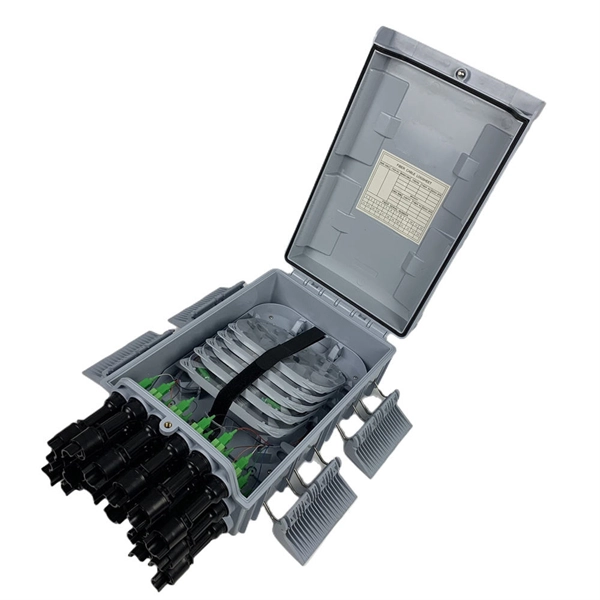
What Is Port Mirroring? A Deep Dive into Network Traffic Analysis Port mirroring is a powerful network diagnostic
 Industry
 Definition of port mirroring | PCMag
What does port mirroring actually mean? Find out inside PCMag''s comprehensive tech and computer-related encyclopedia.
 Industry
 FS Community
Hier sollte eine Beschreibung angezeigt werden, diese Seite lässt dies jedoch nicht zu.
 Industry
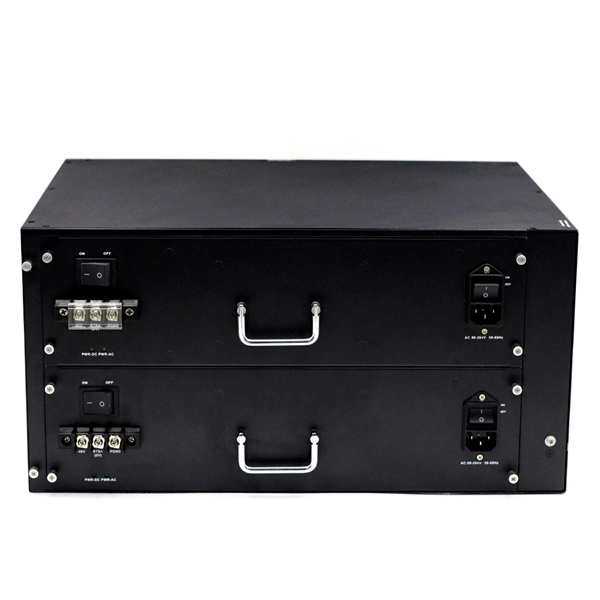
 What is Port Mirroring? Purpose, Benefits, Setup, and Beyond
While port mirroring duplicates every packet that comes across the interface to the monitoring device, traffic mirroring
 Industry
 PORT MIRRORING OVERVIEW
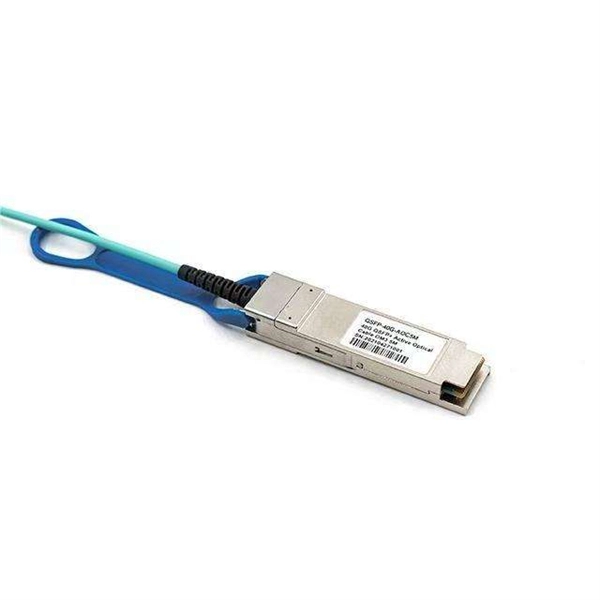
PORT MIRRORING OVERVIEW Port Mirroring, also known as SPAN (Switched Port Analyzer), is a method of monitoring network
 Industry
 Port Mirroring Explained: Basis, Configuration & FAQs
Port mirroring is an important switch technology. Learn about port mirroring''s definition, advantages, FAQs and how to configure port
 Industry
 How to Use Port Mirroring to Capture Packets in the Controller
Port Mirroring duplicates Ethernet packets from a selected source port to a designated destination port without
 Industry
 What Is Port Mirroring? How It Works and Why It Matters
Port mirroring copies network traffic for analysis without affecting live data. See how it aids
 Industry
 Port Mirroring Explained
Learn what port mirroring is, how it works, what are its benefits and risks, and how to use it safely and effectively on your network.
 Industry
 PASSIVE OPTICAL SPLITTER
Before large-scale deployments of FTTx, most splitter modules and other passive optical components were installed in central offices
3 Frequently Asked Questions about “Port Mirroring Splitter Principle”
What is the difference between port mirroring and traffic mirroring?
The main difference between port mirroring and traffic monitoring is that a traffic monitor collects statistics on packets as they pass through swi...
Does port mirroring affect network performance?
According to Cisco Systems, the leading producer of network switches, port mirroring does not place a heavy load on switches. The switch doesn't ha...
What is a span port on a switch?
A span port is really a SPAN port – SPAN stands for Switched Port Analyzer. The SPAN port is dedicated to providing a channel for packet analysis –...