Grounding settings for rooftop distribution boxes
Rooftop distribution boxes must be grounded using low-resistance, continuous conductors connected to a single-point ground, with proper wire sizing and bonding to structural elements to ensure safety and lightning protection.
Key Grounding Principles
Single-Point Grounding: All rooftop equipment, including distribution boxes, must connect to a single-point ground to prevent potential differences during lightning strikes or surges. This ensures that the top of the building and all connected equipment rise and decay in potential uniformly, reducing the risk of damage to sensitive electronics .
Wire Sizing and Material: Ground conductors should meet local standards: in the US, a 10 AWG (5.26 mm²) wire is typical, while other markets may require 6 mm². For connections between mounting plates and equipment, larger conductors (e.g., 6 AWG or 16 mm²) may be used to maintain low resistance over longer cable runs . Copper or copper-bonded steel is preferred for durability and corrosion resistance .
Resistance Requirements: The total ground resistance between all system parts should be less than 0.1 ohm for distribution boxes, ensuring effective dissipation of fault currents and lightning energy . If multiple rods are used, they should be connected with continuous conductors to achieve a resistance below 25 ohms per rod, tested after installation .
Continuity and Bonding: Ensure continuous conductive paths from the distribution box to the building's structural steel or rebar and down to the earth ground. Avoid PVC fittings or insulating gaskets that interrupt continuity. Bond all metallic parts, including mounting plates and protective devices, to the grounding system .
Lightning and Surge Protection: Rooftop distribution boxes should not share grounding with air terminal down conductors. Use separate low-inductance conductors from surge protectors to the single-point ground to safely channel lightning currents without damaging equipment .
Installation Practices: Grounding connections should be made to dedicated ground bars in the cabinet, avoiding double-tapping neutrals. All connections must be mechanically secure and corrosion-resistant. Regular testing and inspection are recommended to maintain long-term reliability .
Summary Recommendations
- Use properly sized copper or copper-bonded steel conductors.
- Maintain ground resistance <0.1 ohm for system parts.
- Ensure single-point grounding and continuous bonding to structural elements.
- Separate lightning protection grounds from equipment grounds.
- Test and verify all connections after installation and periodically thereafter.
Following these practices ensures that rooftop distribution boxes are safe, compliant, and resilient against electrical faults and lightning events.
 Industry
 Grounding Electrical Distribution Systems | part of Grounding
The first concern and the most important reason for proper grounding techniques are to protect people from the effects of ground
 Industry
 How To Ground Electrical Enclosure: The Complete Guide
From a safety perspective, an electrical enclosure should be positively and correctly grounded so as to rid any
 Industry
 The Basics of Grounding and Bonding
Article 250 of the NEC covers the grounding and bonding of electrical systems. By definition, as well as by function, grounding and
 Industry
 The Outdoor Ground Box Supplies Power to Outdoor
The Outdoor Ground Box is UL-listed and delivers power, data, or AV connectivity in outdoor spaces.
 Industry
 Understanding Grounding and Bonding: A Practical Guide for Safe
Proper grounding and bonding are fundamental to the safety and functionality of any electrical system. Whether you''re a homeowner,
 Industry
 Distribution Earthing Design and Manual
MIMIMUM REQUIREMENTS FOR THE SAFE EARTHING OF EVOENERGY DISTRIBUTION NETWORK ASSETS This document
 Industry
 Google Translate
Google''s service, offered free of charge, instantly translates words, phrases, and web pages between English and over 100 other
 Industry
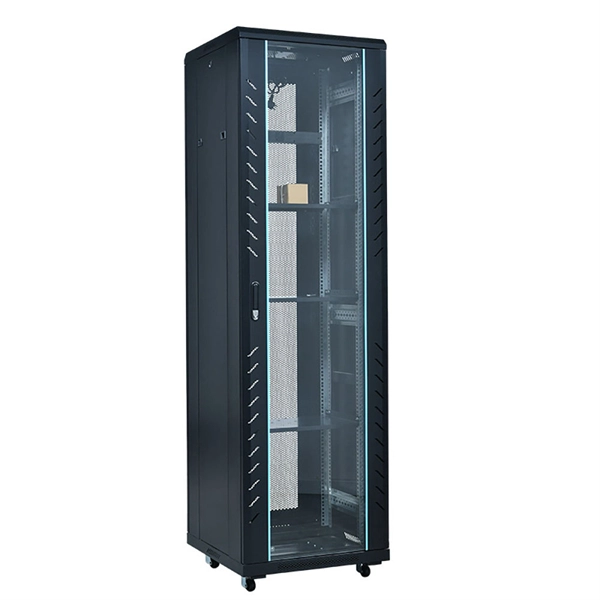
 DISTRIBUTION BOX
Each DISTRIBUTION BOX and controller must be grounded. On the US market, a 5.26 mm 2 (10 AWG) ground wire
 Industry
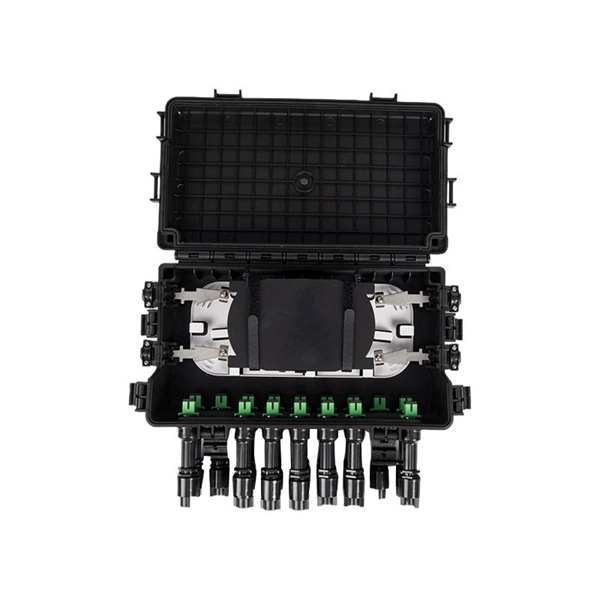
 Grounding of commercial and industrial power systems
Grounding of commercial and industrial power systems Grounding is an important aspect of every
 Industry
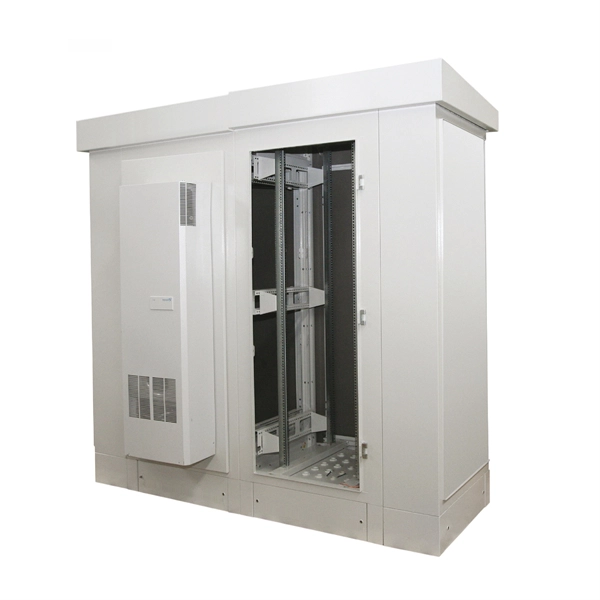
 Rooftop Site Grounding R
a single point ground. In some poured concrete buildings there is no steel structure, only reinforci bar in the concrete. If local building
 Industry
 REVIEW OF GROUND FAULT PROTECTION METHODS FOR
First, we review and compare medium-voltage distribution-system grounding methods. Next, we describe directional elements
 Industry
 How to ground the low voltage distribution box?
The low-voltage distribution box, as a device for regulating the circuit system, needs to be so. How should
 Industry
 The Basics of Substation Grounding: Parts of the Grounding System
One of the vital aspects of the protection of people and equipment in electrical substations is the provision of an
 Industry
 Grounding and Testing of Rooftop Electrical Equipment
The proper grounding of typical rooftop installations like air conditioning equipment, radio frequency and microwave
 Industry
 Understanding Grounding of Electrical Systems | NFPA
Grounding is the very foundation of a building or structure''s electrical system.
 Industry
 Distribution System Grounding
It is recommended to ground the neutral at various strategic locations in distribution substations, overhead lines and underground
 Industry
 Grounding System Installation Standards for Distribution Boxes and
Whether you''re a seasoned pro or just starting out, this comprehensive guide will give you practical insights into proper
 Industry
 Distribution System Neutral Grounding Methods and Transformer
Readers should refer to and follow industry technical and safety design guidelines and processes in relation to neutral grounding
 Industry
 Key Points Of Installation And Collocation Of Distribution Box In
If they are combined in the same distribution box, power and lighting lines should be set separately. 7. The wire inlets and outlets in
 Industry
 Grounding of rooftop distribution box foundation
Each DISTRIBUTION BOX and controller must be grounded. On the US market, a 5.26 mm 2 (10 AWG) ground wire must be used,
 Industry
 Grounding system construction: key points for grounding distribution
Everything looks perfect until the moment of truth arrives. That''s why today we''ll break down the life-or-death details of
 Industry
 How & Why to Ground Wiring
Install grounding wire to provide a current with alternate paths to avoid electrical shocks in case of power surges. Run
 Industry
 Grounding
Exposed ground connections to power generation and distribution equipment shall be made using copper compression ground
 Industry
 How to Ground a Rooftop Signal Booster or DAS Antenna
While cell phone boosters and distributed antenna system (DAS) have become an increasingly common accessory for businesses
 Industry
 Electrical grounding and bonding per NEC
Understanding correct grounding and bonding design and construction is crucial for proper electrical system operation
 Industry
 Grounding in Power Transmission and Distribution Networks
Power transmission and distribution systems are earthed for electric shock and fault protection. This chapter presents the principles
 Industry
 Subpanel Grounding: Answers to Common Questions
subpanel grounding violations. The grounded conductors and the equipment grounds are connected to the same terminal bar,
 Industry
 Distribution System Grounding | part of Electric Power and Energy
Improper grounding in secondary systems can cause safety issues including fire and failure of equipment in homes. Most common
 Industry
 Summary of key points for construction and installation of distribution
The construction and installation points of distribution boxes and switch boxes are summarized as follows: 1. Select qualified
 Industry
 1910.304
All 125-volt, single-phase, 15- and 20-ampere receptacles installed in bathrooms or on rooftops shall have ground-fault circuit