Taboos regarding household electrical distribution boxes
Avoiding improper installation, poor grounding, combustible materials, and messy wiring are key taboos for home electrical distribution boxes.
Key Taboos and Their Consequences
1. Not inspecting the distribution box upon arrival Failing to inspect the box can result in missing grounding bolts, insufficient protective earth wire cross-section, loose wire-to-device connections, reverse loops, non-galvanized screws, improper conductor sizes, missing color coding, and lack of N and PE terminal blocks, which can compromise safety and delay project schedules . 2. Inadequate protective earthing Connecting protective earth wires incorrectly or using undersized conductors can lead to electric shock hazards. All protective earth conductors must connect to a PE busbar, with cross-sections meeting or exceeding the largest branch circuit conductor . 3. Using combustible or untreated wooden materials Wooden distribution boxes without flame-retardant treatment are prone to mold, leakage, and fire hazards, especially in humid or dusty environments. Only non-combustible or flame-retardant materials should be used . 4. Improper installation and elevation Boxes that are not firmly installed, not vertical, or with edges not close to the wall can affect functionality, aesthetics, and long-term durability. Recommended installation heights are 1.5m for the bottom edge of the box and 1.8m for the bottom of the switchboard . 5. Disorderly or unbound wiring Messy wiring can damage insulation, cause short circuits, and complicate maintenance. Wires should be neatly coiled, bundled, and arranged to avoid tight pressure against pipes . 6. Missing N and PE busbars Without separate neutral (N) and protective earth (PE) busbars, safe operation cannot be guaranteed. Busbars should be properly numbered and connected, not twisted . 7. Unauthorized modifications or connections Altering the structure of the meter box or connecting wires without permission can lead to electric shock, fire, or equipment malfunction. Flammable items should not be stored near the box, and protective devices must not be tampered with . 8. Using boxes in humid environments Moisture can damage electrical components and reduce service life. Distribution boxes should be installed in dry, well-ventilated areas . 9. Low laying of lines and pipelines Improperly routed lines in floor distribution boxes can interfere with other installations and create hazards . 10. Uneven appliance installation and spacing Devices inside the box must be firmly installed with proper spacing to ensure safe operation and ease of maintenance .
Summary
To ensure safety and compliance, always inspect distribution boxes before installation, use proper grounding, avoid combustible materials, maintain neat wiring, and follow installation height and spacing standards. Adhering to these taboos prevents accidents, equipment damage, and operational failures in home electrical systems .
 Industry
 Power Distribution Board: Uses, Role & How its Work
Learn about power distribution boards: their uses, role, and how they work to manage electrical power distribution
 Industry
 14 installation taboos for lighting distribution boxes compiled by an
Consequence: The installation of electrical appliances and instruments in the lighting distribution box (board) is not firm, flat, and the
 Industry
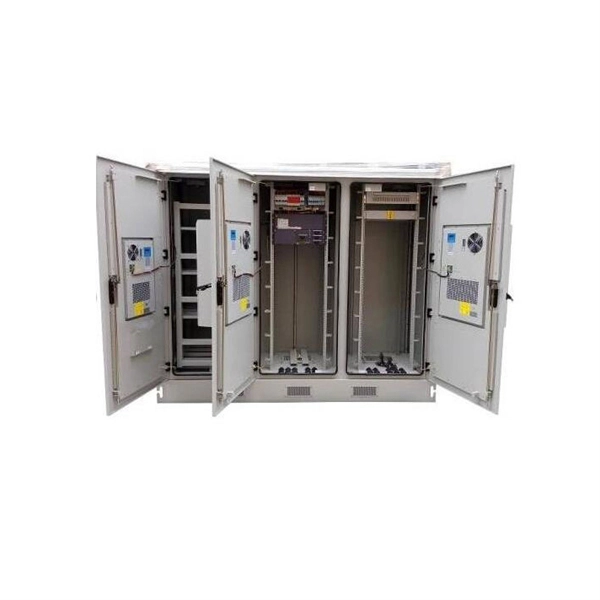
 How to Choose a House Distribution Box
Choosing the house distribution box that best fits your home is important for your safety and the efficiency of your
 Industry
 How to Install a Cable Distribution Box Safely and Correctly?
In modern electrical systems, cable distribution boxes (also known as electrical distribution boxes or distribution
 Industry
 What are the common problems of distribution boxes?
The main problems encountered with distribution boxes include installation and layout problems, electrical connection
 Industry
 Complete Guide For Distribution Boxes Types
Distribution boxes, also known as electrical distribution boards or panels, are pivotal components in electrical systems, ensuring the
 Industry
 Distribution Box and Selection Guide: Internal Structure, Components
Learn how to choose a distribution box and understand its internal structure, including MCBs, busbars, neutral bars,
 Industry
 Consumer Units – Safe fuse-box upgrades for modern homes
Consumer units have been called many different names over the years, such as fuse box, fuse board and dis-board. They are
 Industry
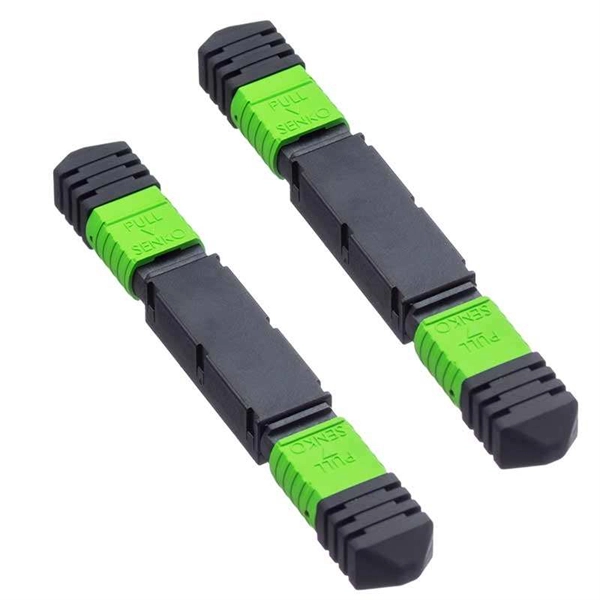
 14 taboos in the installation of distribution boxes
Taboo 1: The lighting distribution box (board) enters the site without inspection. Consequences: The lighting distribution box (board)
 Industry
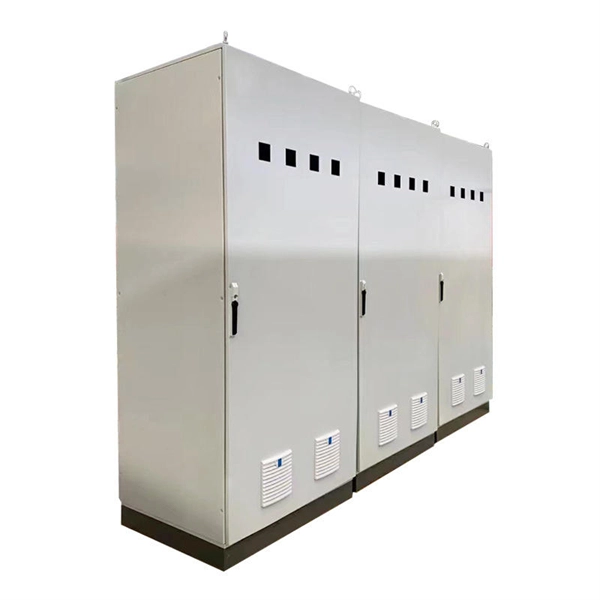
 14 taboos in the installation of distribution boxes
Taboo 9: Lighting distribution boxes, electrical appliances and meters in the (board) are not firmly installed, uneven, and the spacing
 Industry
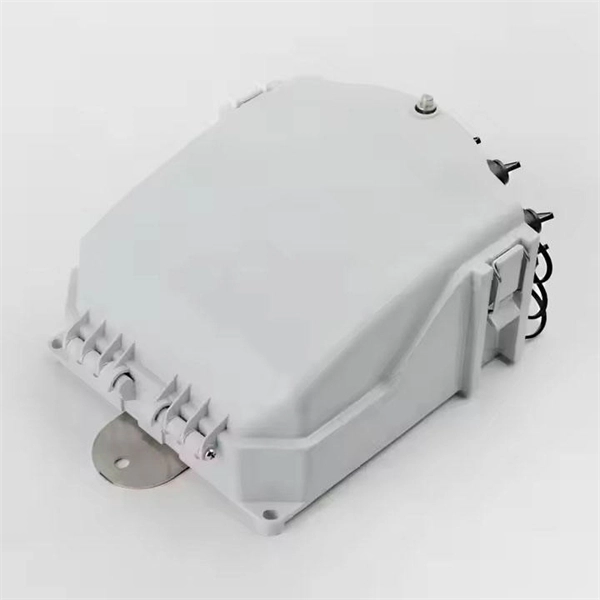
 14 taboos in the installation of distribution boxes | JUJUMI BLOG
If the lighting distribution box (board) is used in a humid and dusty place, it is easy to mold and leak; in addition, if the
 Industry
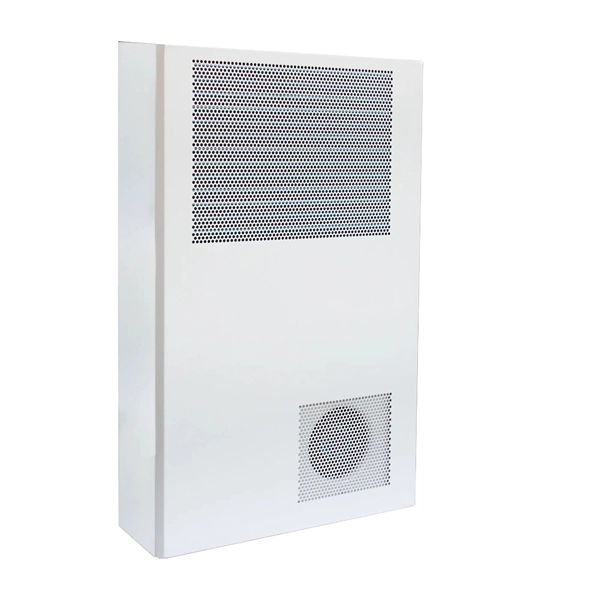
 14 taboos for installation of distribution box
Consequences: If the lighting distribution box (board) is used in a humid and dusty place, it is easy to mold and leak electricity; in
 Industry
 What Are the Top 10 Taboos and Precautions in the Installation of
Avoid common installation taboos: improper grounding, unlabeled circuits, wooden enclosures, poor wiring, and missing N/PE
 Industry
 Top 10 Taboos For Installation Of Distribution Box
Lighting distribution boxes (boards) are not firmly installed, elevation does not meet the requirements, and when installed in
 Industry
 14 taboos in the installation of distribution boxes in hotel projects
And in order to prevent the interference of strong electricity to weak electricity, the strong electricity and the weak
 Industry
 Distribution Boxes: Household vs. Commercial (Industrial)
Table of Contents Introduction A distribution box is an essential component of any electrical system, responsible for distributing
 Industry
 Distribution box installation pit avoidance guide: these 14 taboos must
Combining industry standards with practical experience, the following identifies 14 key taboos to avoid during
 Industry
 Understanding Distribution Boxes: Your Guide to Power
What are Distribution Boxes and Their Importance? What are Distribution Boxes and Their
 Industry
 Electrical Engineering Guides – IEE Business
There are many taboos and problematic practices in the installation of distribution boards and cabinets that must be noted. Especially
 Industry
 Common taboos when using meter box and small power distribution
First of all, it is forbidden to connect wires without permission to avoid electric shock or fire. Secondly, the structure of the meter box
 Industry
 Taboo Behavior: Exploring Social Boundaries and Norms
The same behavior can be taboo in one culture and completely ordinary in another,
 Industry
 Understanding Your Home Electrical System
The electrical service panel is the central distribution point for delivering electricity to switches, outlets, and appliances throughout the
 Industry
 Distribution box installation pit avoidance guide: these 14 taboos must
As a critical hub in the power system, the installation quality of distribution boxes is directly related to electrical safety